

LONELINESS COSTS US ALL
Nearly half of adults experience chronic loneliness. It is not a private issue happening to a few people behind closed doors. It is shaping the health, resilience, and future of everyone. If it isn’t directly impacting you, it is affecting someone you know. Here are some ways it costs us all.
THE INDIVIDUAL COST
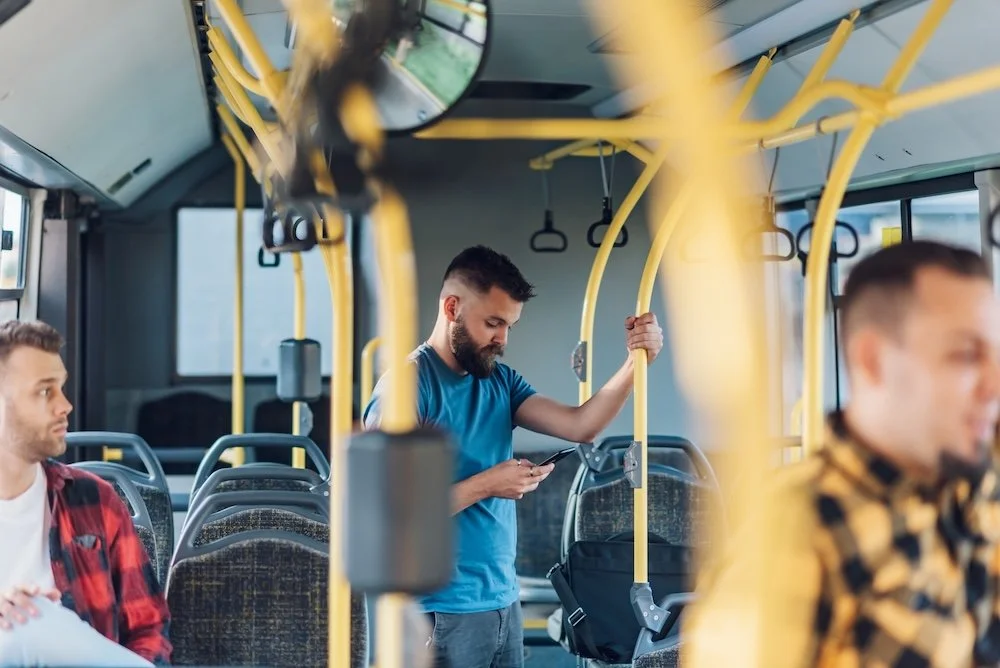
Chronic loneliness and social isolation leave an indelible mark on the body and mind. It increases the risk of heart disease, dementia, depression, anxiety, stroke, and addiction, all while making everyday life feel heavier and harder to navigate.
But the cost doesn’t stop at the individual. Families feel it, too: in the strain on caregivers, the distance that grows between loved ones, and the quiet heartbreak of watching someone withdraw from the world around them. Over time, loneliness erodes our sense of safety, support, and belonging, which we all need to truly thrive.
Loneliness has the same negative health impact as smoking 15 cigarettes per day.
Source: Holt-Lunstad et al., "Loneliness and Social Isolation as Risk Factors for Mortality"
Lonely older adults face a 31% higher risk of developing dementia
Source: Luchetti et al., "A meta-analysis of loneliness and risk of dementia using longitudinal data from >600,000 individuals
Although loneliness is not the only cause, 27.9 million people ages 12 and older in the US had Alcohol Use Disorder in 2024
Source: 2024 National Survey on Drug Use and Health (NSDUH)
THE COMMUNITY COST

The places and institutions that once helped people feel connected, to their neighbors, their communities, and something larger than themselves, have steadily declined. Churches, civic clubs, unions, volunteer groups, PTAs, and neighborhood organizations once acted as gathering places where people built trust, shared responsibility, and felt known. Today, participation across nearly all of them has fallen sharply.
At the same time, fewer Americans know their neighbors, volunteer regularly, attend community gatherings, or feel connected to where they live. What’s disappearing isn’t just membership in organizations. It’s the social infrastructure that helped people build belonging and rely on one another.
And when those connections weaken, the effects ripple outward. Isolation grows. Trust declines. Communities become more fragmented, polarized, and less resilient in the face of hardship. The loss of connection doesn’t just affect individuals. It reshapes the health and stability of society itself.
Only 26% of US adults say they know all or most of their neighbors
Source: Pew Research Center
Only 28.3% of Americans report volunteering with organization in the previous year
Source: U.S. Census Bureau and Americorps
Only 39% of US adults say they primarily communicate with friends in-person
Source: AARP, The Friendship Study
THE SOCIETAL COST
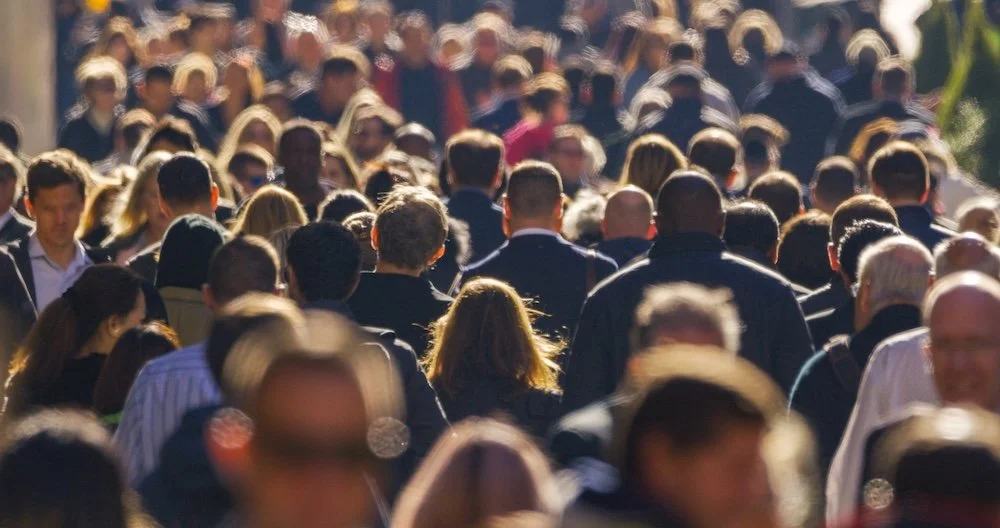
The impact of chronic loneliness and social isolation reaches far beyond the individual, weakening the trust, empathy, and interdependence that societies rely on to function. As people grow more disconnected from one another, civic participation declines, communities become more fragmented, and the social fabric that holds people together begins to fray.
The economic costs are staggering. Hundreds of billions are lost each year through healthcare strain, absenteeism, burnout, and reduced productivity that stem, in part, from chronic loneliness. It contributes to increased physician visits, higher emergency care utilization, greater medication use, and increased long-term care needs.
But the deeper cost is societal. A culture without connection becomes less resilient, less collaborative, and less hopeful over time. As societies become more fragmented, they respond and recover from disaster less effectively. They have a greater fear and mistrust of one another, making them less empathetic.
Children growing up in this environment are inheriting a world where isolation feels normal, relationships feel harder to sustain, and belonging becomes increasingly difficult to find. Young people experiencing chronic loneliness may be more prone to self-harm, anxiety disorders, online exploitation, radicalization, and addictive behaviors. This all means addressing loneliness is not simply about improving wellbeing. It is about strengthening the future of our communities, our institutions, and society itself.
Only 34% of US adults say most people can be trusted.
Source: Pew Research Center
Loneliness costs American employers $154 billion every year in stress-related absenteeism alone
Source: Bowers et al., Journal of Organizational Effectiveness
Loneliness costs Medicare an estimated $6.7 billion every year
Source: AARP Public Policy Institute & Stanford University

WHAT IS DRIVING CHRONIC LONELINESS?
The last 30 years have changed the daily lives and landscapes of us all, leaving many to feel more disconnected than ever. The communities that once held us together have given way to a culture that celebrates independence over interdependence. Every facet of daily life shows us this ripple effect. Work, housing, transportation, healthcare, education, and technology have been redesigned for speed, efficiency, and scale, but not always for connection.
As a result, many people are navigating days that offer fewer natural opportunities to build relationships, share care, and feel meaningfully supported. This is not a personal failing: it is a fatal design flaw in our global society. One we now have the chance to address.
We are now at a crossroads: a defining moment for what comes next in the human story. We can continue building systems that prioritize productivity alone, or we can choose to redesign our communities, institutions, and shared spaces to support belonging, care, and connection.
So, let’s take this moment to turn our conversations into community. Let’s transform shared experience into solidarity. And let’s commit to the humanitarian work of our time: building a world where connection is not incidental.